Exploring the open road on a motorcycle brings excitement, freedom, and a unique sense of adventure especially in warm-weather places like South Florida. At Accident Medical Group, many riders express that while they enjoy the thrill of riding, they often underestimate the everyday risks that come with sharing the road with larger vehicles and unpredictable conditions. Building safer riding habits requires awareness, preparation, and a commitment to continually improving your skills.
This guide breaks down the essential strategies every rider should know to reduce the likelihood of motorcycle accidents. From understanding common causes such as speeding, blind spots, driver mistakes, road hazards, and mechanical issues to learning how to avoid them, each section is designed to help you stay informed and protected. These insights reflect many of the same safety considerations often emphasized by a Miami motorcycle accident lawyer.
Whether you ride daily or just on the weekends, adopting smart, proactive habits can significantly lower your risk of injury and legal complications. The goal of this guide is to offer clear, practical, and rider-focused information for motorcyclists of all experience levels.
Understanding Risk Factors With Insight From a Miami Motorcycle Accident Lawyer
Recognizing the most common causes of motorcycle crashes helps riders anticipate dangers before they develop. Many situations that lead to motorcycle accident claims could have been avoided with early awareness.
Frequent causes of motorcycle accidents
- Driver Inattention
Many collisions occur when drivers fail to check mirrors or blind spots. Motorcycles are smaller and less visible, making riders especially vulnerable at intersections and in heavy traffic. - Speeding and Aggressive Maneuvers
Excessive speed and abrupt movements increase the risk of losing control. Tailgating, weaving, or sudden swerving can lead to collisions with vehicles or roadside obstacles. - Poor Weather Conditions
Rain, wind, and fog reduce traction and visibility, increasing stopping distances. Riders must adjust speed, increase following distance, and wear appropriate gear for safety. - Left-Turn Collisions
Accidents often happen when vehicles turn left in front of oncoming motorcycles. Drivers frequently misjudge the bike’s speed or distance, causing severe injuries. - Roadway Hazards
Debris, potholes, uneven pavement, and loose gravel can cause sudden loss of control. Staying alert and maintaining tires helps reduce the risk of accidents.
Understanding these patterns can help riders adjust their behavior and become more defensive on the road.
Essential Riding Gear That Enhances Protection
Protective gear reduces injury severity and improves rider confidence. Safety equipment cannot guarantee injury prevention, but it acts as a vital barrier between the rider and the asphalt.
Key protective items
- DOT-Approved Helmet
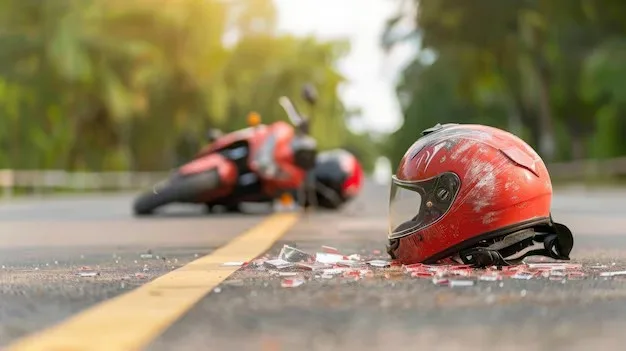
Helmets are the most critical safety gear for motorcyclists. A high-quality, DOT-approved helmet protects the head, face, and jaw, reducing the risk of serious injury or fatalities. - Reinforced Jackets and Pants
Leather or textile jackets and pants protect against abrasions and road rash. Many include armor at elbows, shoulders, knees, and hips for added impact resistance. - Motorcycle Gloves
Gloves improve grip on handlebars and protect hands and fingers from cuts, bruises, and fractures in a fall. - Boots with Ankle Protection
Motorcycle boots provide support for feet and ankles, preventing injuries while improving balance and traction during stops or on uneven surfaces. - Reflective Gear
High-visibility clothing and reflective accessories make riders more noticeable, especially at night, helping prevent accidents caused by low visibility.
Wearing appropriate gear is a simple yet effective way to avoid life altering injuries and reduce the severity of motorcycle accident claims.
Mastering Defensive Riding Techniques
Skilled defensive riding can dramatically reduce accident risks. Defensive strategies allow riders to anticipate hazards instead of reacting too late.
Critical defensive practices
- Maintain Safe Following Distances
Motorcycles stop differently than cars, so keeping extra space behind other vehicles allows more time to react to sudden stops or obstacles. - Position Yourself Strategically
Avoid riding in blind spots to stay visible and reduce collision risks. Proper lane positioning also improves maneuverability around hazards. - Scan the Environment Consistently
Constantly observing intersections, mirrors, and surrounding traffic helps detect potential dangers early, giving more time to respond safely. - Use Both Brakes Properly
Smoothly using both front and rear brakes maintains balance and control. Practicing emergency stops builds confidence for unexpected situations. - Communicate Your Actions
Signaling turns, lane changes, and stops alerts other drivers to your intentions, reducing misunderstandings and preventing many common accidents.
These techniques are frequently encouraged by safety experts and professional’s familiar with personal injury claim issues related to motorcycle crashes.
How Regular Maintenance Helps Prevent Accidents
Mechanical failures contribute to many preventable accidents. Routine inspections ensure motorcycles operate safely.
Areas to inspect regularly
- Tire Pressure and Tread
Properly inflated tires with good tread improve handling, traction, and braking performance, reducing the risk of skidding or losing control. - Brake Function
Well-maintained brakes are essential for stopping safely; worn pads or faulty systems can dramatically increase stopping distances. - Lights and Signals
Functional headlights, brake lights, and turn signals ensure other drivers can see your bike and anticipate your movements. - Chain and Belt Condition
Regularly lubricated and properly tensioned chains or belts prevent sudden failures that could cause a loss of control. - Fluid Levels
Maintaining engine oil, coolant, and brake fluid prevents performance issues and protects critical systems from malfunctioning.
Consistent maintenance lowers the chances of equipment related accidents and contributes to safer riding conditions.
Road Awareness and Situational Preparedness
Riders should remain aware that traffic patterns shift quickly. Anticipating unpredictable behavior from drivers plays a major role in preventing collisions.
Important situational strategies
- Slow Down at Intersections
Many accidents happen when vehicles turn unexpectedly or run traffic signals. Reducing speed at intersections gives you more time to react to sudden hazards. - Be Cautious Around Large Vehicles
Trucks and buses have extended blind spots and require extra space to turn or stop. Maintaining distance and staying visible helps prevent collisions with larger vehicles. - Monitor Road Surfaces
Sand, gravel, loose asphalt, and pooled water can make roads slippery and unpredictable. Staying aware of surface conditions allows you to adjust speed and positioning safely. - Avoid Riding Between Lanes
Lane splitting increases the risk of collisions if drivers make sudden lane changes. Staying within a single lane reduces exposure to unexpected movements from surrounding traffic. - Ride with a Strong Exit Plan
Always identify alternate paths or safe zones to avoid obstacles or hazards. Having a mental “escape route” enhances your ability to respond effectively in emergencies.
By combining awareness, anticipation, and adaptability, riders can prevent crashes and reduce the likelihood of complicated injury or legal claims.
Building Better Skills Through Training
Training courses benefit both new and experienced riders. These classes reinforce essential techniques and expose riders to advanced safety concepts.
Benefits of structured training
- Improved Braking and Cornering Skills
Courses give riders the chance to practice emergency stops, sharp turns, and other maneuvers in a controlled environment, improving overall control and reaction times. - Hazard Recognition
Instructors teach riders to anticipate and identify potential dangers early, such as road debris, traffic patterns, or distracted drivers, allowing for safer decision-making. - Increased Confidence
Structured training boosts rider confidence, which helps reduce errors and allows individuals to handle stressful or unexpected situations more effectively. - Insurance Benefits
Some insurance companies offer discounts for completing certified motorcycle courses, encouraging riders to invest in skill development while indirectly supporting road safety.
Continued education keeps riders sharp and minimizes the likelihood of crashes caused by skill gaps.
Weather Related Strategies to Reduce Accident Risks
South Florida weather creates unique challenges for riders. Sudden rain showers or wind can change safe conditions instantly.
Weather safety tips
- Riding in Rain
Slow down, avoid sudden braking, and increase following distance to maintain traction and reduce the risk of hydroplaning. - Handling Wind
Keep a firm grip on handlebars and maintain a steady lane position, as gusts can destabilize motorcycles unexpectedly. - Heat Considerations
High temperatures can reduce tire longevity and increase fatigue. Stay hydrated and take breaks on long rides to maintain focus and control.
Riders who adapt riding techniques to environmental changes decrease their risk and avoid many situations that become personal injury claim cases.
Moving Forward With Safer Riding Choices
Preventing motorcycle accidents requires discipline, awareness, and commitment. By investing in strong riding habits, mastering defensive strategies, and maintaining your motorcycle consistently, you dramatically reduce your risk of injury and long term complications. Many principles in this guide echo safety themes often discussed by a Miami motorcycle accident lawyer, highlighting how proactive riding helps avoid dangerous situations and difficult legal outcomes. For more guidance or support, contact Accident Medical Group.
Frequently Asked Questions
How can I reduce my chances of being involved in a motorcycle crash?
You can lower risks by wearing protective gear, riding defensively, and keeping your motorcycle in excellent condition. Riders should also stay aware of blind spots and unpredictable driver behavior. Additional safety guidance is available on the website linked earlier in this guide.
Does taking a motorcycle safety course really make a difference?
Yes, safety courses help riders strengthen control, braking skills, and hazard recognition. These programs also reinforce best practices discussed by professionals such as a Miami motorcycle accident lawyer. Many training resources are referenced in riding safety sections on the website mentioned earlier.
How does weather impact motorcycle safety?
Weather conditions such as rain, heat, and wind change traction, visibility, and reaction times. Adapting your riding style during extreme weather helps prevent accidents. Related safety tips can be reviewed within other informational posts on the main website.
What should I check before riding my motorcycle?
Inspect tires, brakes, lights, signals, and fluid levels. Confirm that your gear is secure and that your helmet fits properly. The maintenance section of this guide aligns with similar tips found on the website linked above.
What should I do after a minor motorcycle incident?
Document the scene, take photos, record witness details, and report injuries even if they seem minor. Understanding what evidence supports motorcycle accident claims may help riders protect important rights. Additional steps for documentation are included in resources available on the website previously referenced.